
Guides
Blog
Enclosure design, materials, subwoofer fundamentals and vehicle installs, written by the people who cut the boxes.
How to Build a Subwoofer Box, Step by Step
How to build a subwoofer box that performs: pick the volume, cut 3/4 inch MDF, glue, brace, seal, wire and finish. Written by the shop that CNC cuts them.
Amplifier Matching
How to match an amplifier to a subwoofer: compare RMS ratings, match the impedance, leave headroom, and avoid the mistakes that clip or underpower subs.
Passive vs Active Subwoofers
An active subwoofer has its amplifier built in; a passive one needs an external amp. How they compare on installation, performance and cost.
Subwoofer Impedance Guide
What subwoofer impedance means, how 2, 4 and 8 ohm subs differ, how series and parallel wiring set the final load, and how to match it to your amp.
Subwoofer Magnet Types
Ferrite and neodymium subwoofer magnets compared on size, weight, strength and cost, and how magnet strength affects a subwoofer's performance.
Subwoofer Sensitivity Ratings Explained
What subwoofer sensitivity in dB means, how it is measured, why a 3 dB gain halves the amp power you need, and how to match a high sensitivity sub.
Voice Coil Configuration
How single and dual voice coil subwoofers differ, how DVC wiring sets the final impedance, and which to choose for your amp and number of subs.
Xmax and Excursion
What Xmax means, linear vs non-linear excursion, how excursion ties to displacement and power handling, and what happens when a sub over-extends.

Subwoofer Power Handling: Understanding RMS vs. Peak Watts
RMS is the power a subwoofer handles continuously; peak is a brief burst. How to read power ratings, how the box affects them, and how to match an amp.
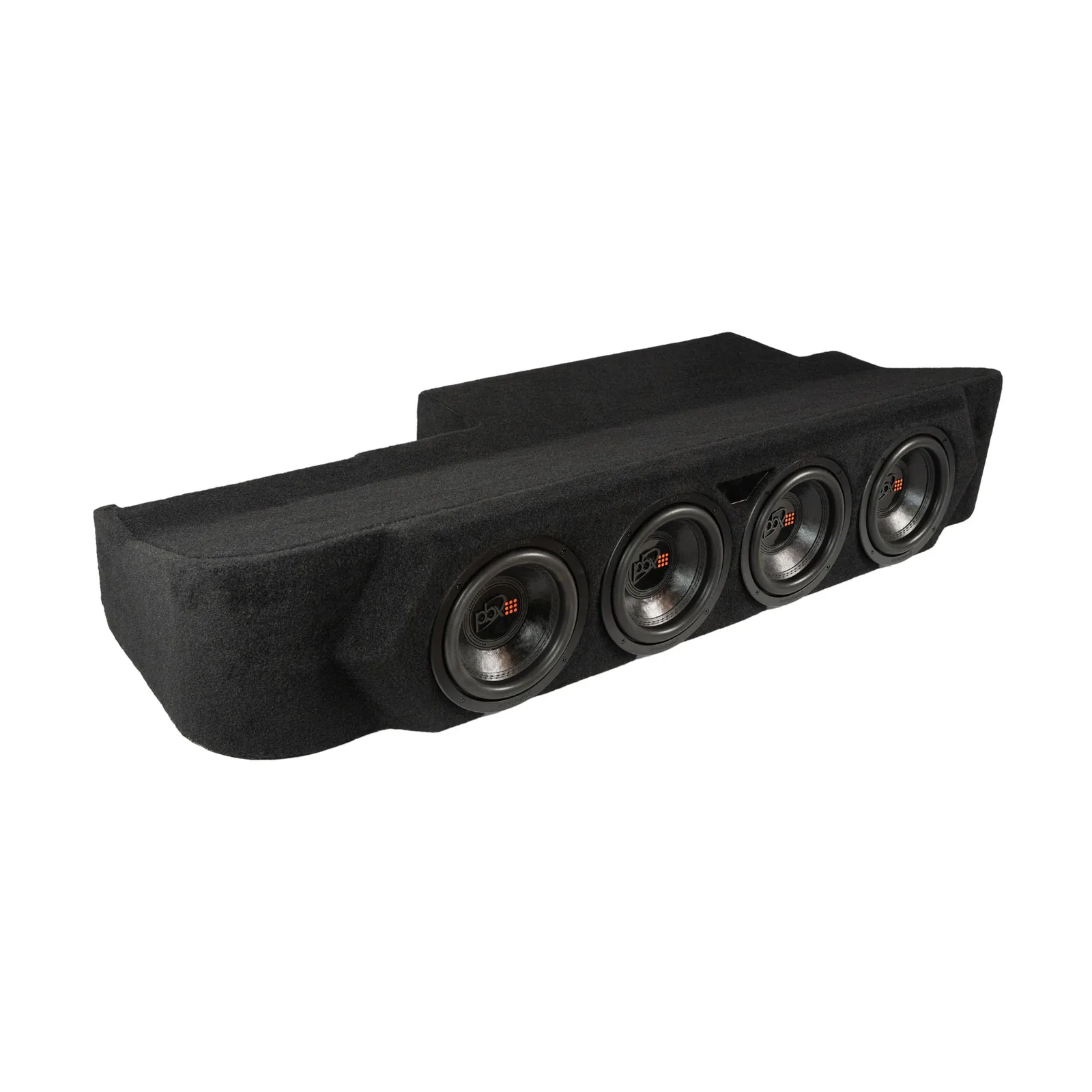
Subwoofer Box Carpet vs Bedliner, Vinyl and Paint: Choosing a Finish
Carpet, bedliner, vinyl or paint for a sub box? None changes the sound. What each finish protects against, where each belongs, and how to carpet a box.
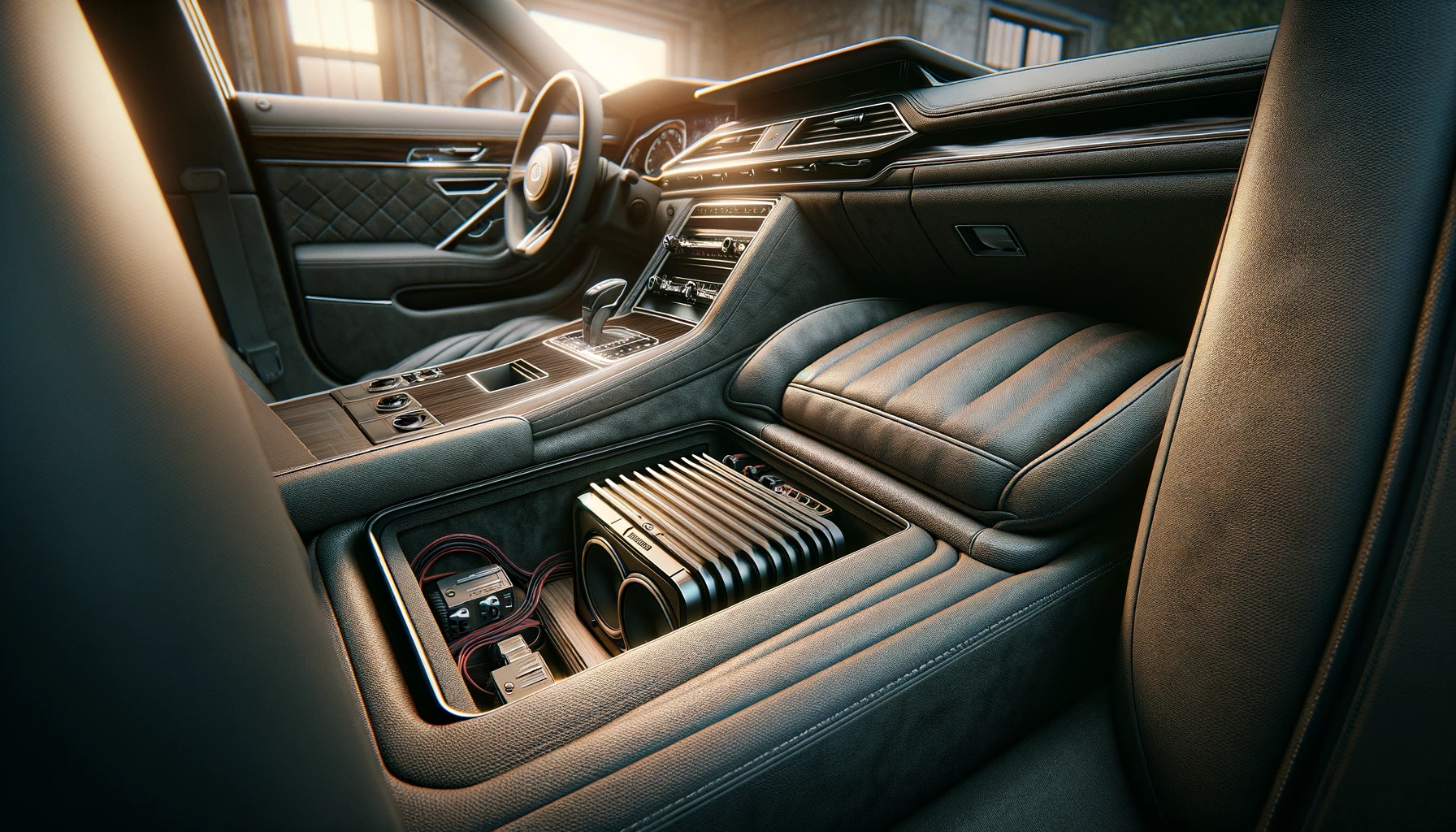
Choosing the Perfect Under Seat Subwoofer Box for Your Car
How to choose an under seat subwoofer box for your car, from sealed vs ported to sizing, fitment and installation tips.

Exploring the Best Ram 1500 Subwoofer Box Options
Ram 1500 subwoofer box options compared: ported, sealed and custom enclosures, what each does for bass, and how to choose between them.

Custom Subwoofer Installations Made Easy
The steps in a custom subwoofer install, what to weigh before you start, whether to do it yourself or hire a pro, and how to look after it afterward.

Perfecting Subwoofer Boxes: Vehicle Trunk Placement Mastery
Which way to face subwoofers in a trunk, how box position changes the bass you hear in the cabin, common placement mistakes, and how to test positions.

How to Tune a Subwoofer Box: Ported Box Tuning and Tuning Frequency
How to tune a ported sub box: what the tuning frequency is, how box volume and port size set it, the best tune for daily or SPL, and how to check it.

Subwoofer Displacement: What You Need to Know
Subwoofer displacement is the air space the driver takes up inside the box. How to calculate it, why it changes net volume, and the mistakes to avoid.

Master Subwoofer Box Internal Bracing: The Ultimate Guide
Why sub boxes need internal bracing, the main brace types, how many braces a box needs by size, and a step-by-step guide to adding them.
Does Subwoofer Box Shape Matter? Find Out Now
How box shape affects a subwoofer: rectangular, hexagonal and other shapes compared, what actually changes the sound, and what to build if you DIY.
Port Length and Diameter: Mastering Subwoofer Enclosures
How port length and diameter set a ported box's tuning, why port area matters, and how to calculate the port size for your subwoofer enclosure.
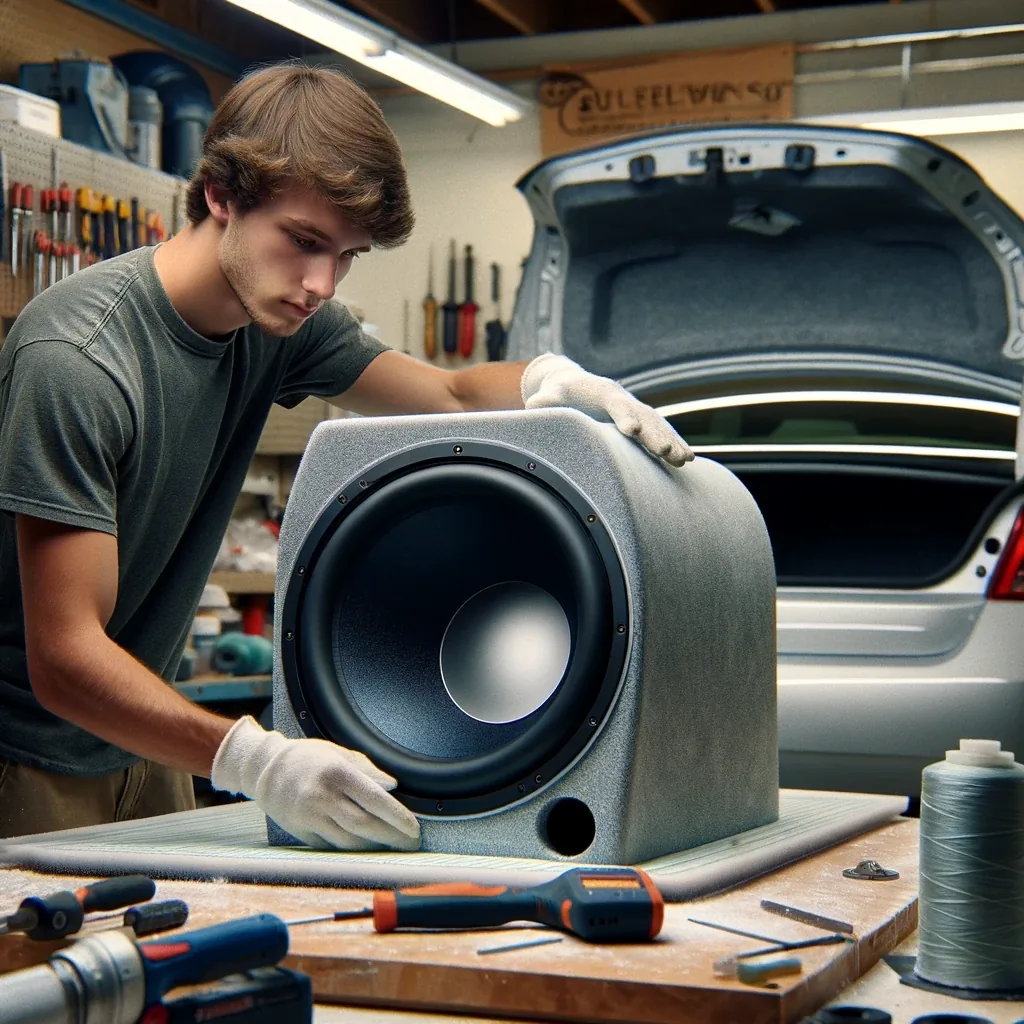
Expert Guide: Build Fiberglass Sub Box
How to build a custom fiberglass subwoofer box step by step: resin and safety, the framework, fleece surfacing, volume checks and finishing.

Optimizing Subwoofer Phase: Achieving Audio Perfection
What the phase control on a subwoofer does, when to use 0 or 180 degrees or a variable setting, and how to find and fix phase problems with your speakers.

Unlocking Bass Frequency Response: Expert Techniques
What bass frequency response is, the frequency range bass covers, what a good response curve looks like, and how to fix common bass peaks and dips.

Calculating Speaker Box Volume Made Easy
How to work out a speaker box's volume in cubic feet from its inside dimensions, and the factors that change the net volume your subwoofer actually gets.

Exploring Sound Pressure Levels: A Beginner’s Guide
What SPL (sound pressure level) means, how it is measured in decibels, safe listening limits, and how SPL applies to car audio systems.

Improve Your Bass: Damping Subwoofer Enclosures
What damping material inside a subwoofer box actually does, which materials work, and how to apply damping without hurting the bass.

Birch subwoofer box: the pros and cons
Baltic birch holds screws better, resists splitting and is stiffer for its weight than MDF, but costs more. When a birch sub box is worth it and when not.

Understanding Subwoofer Enclosure Resonance
Why subwoofer box panels resonate, how to measure enclosure resonance, and the damping and bracing methods that actually reduce it.
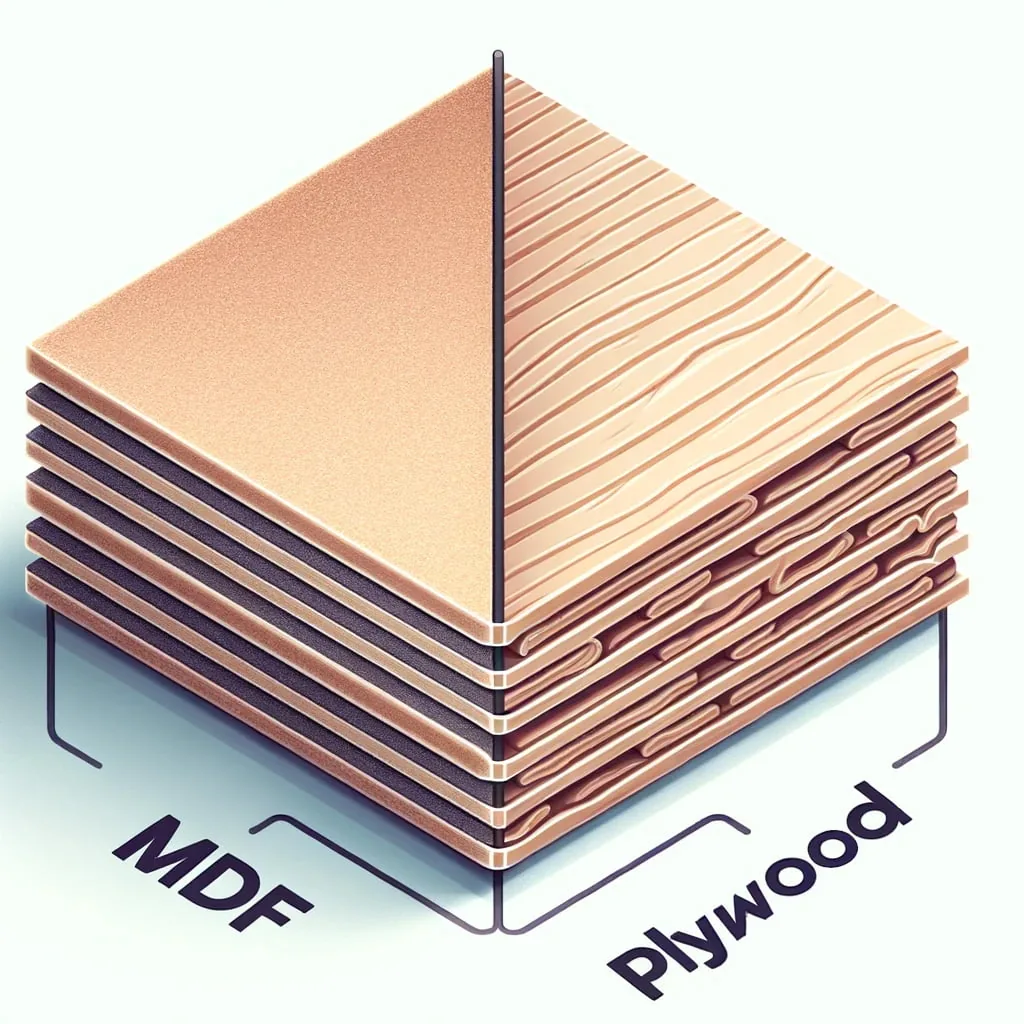
The Ultimate Guide: MDF vs Plywood for a Subwoofer Box?
Most sub boxes are 3/4" MDF: dense, flat and cheap. Baltic birch plywood is lighter, stronger and handles moisture better, but costs more. Full comparison.
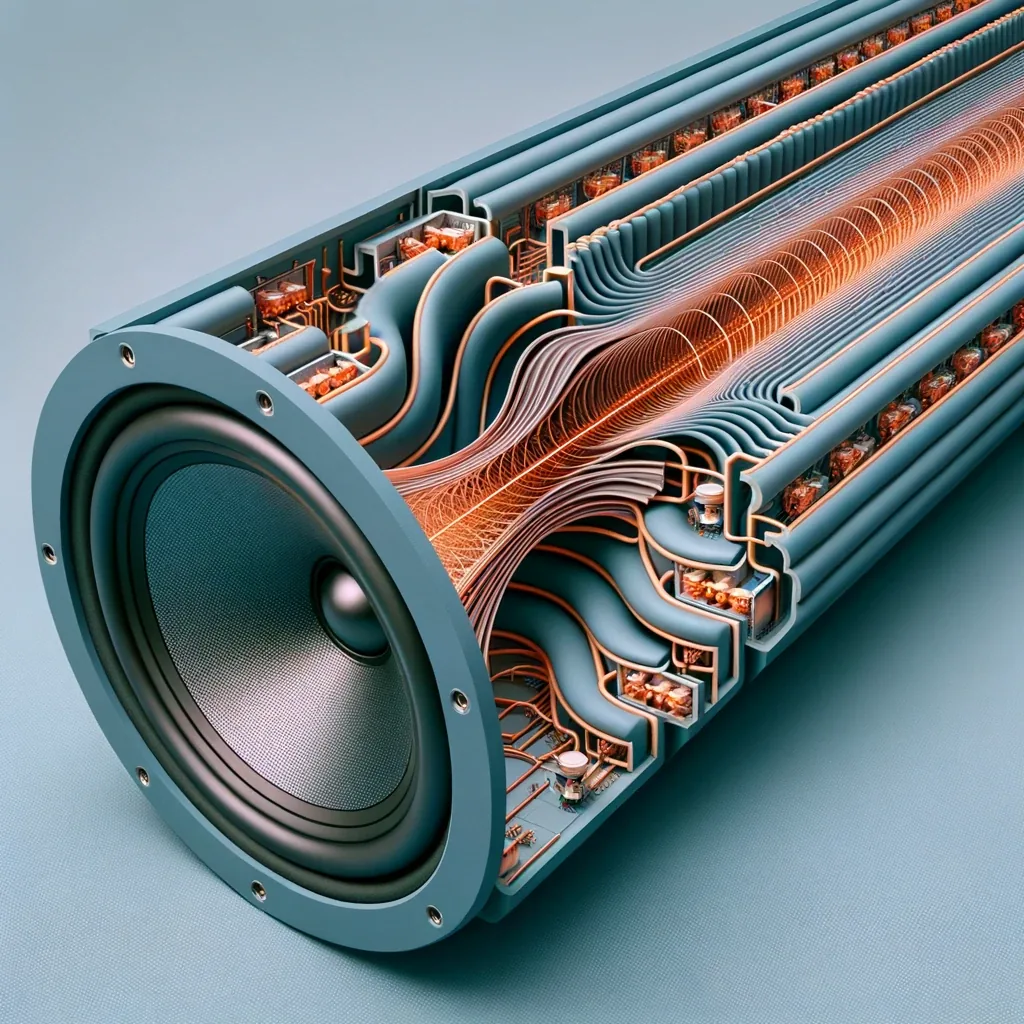
Understand The Science Behind Transmission Line Enclosures
How a transmission line enclosure works, why it extends bass, what makes a good line design, and how it compares with sealed and ported boxes.
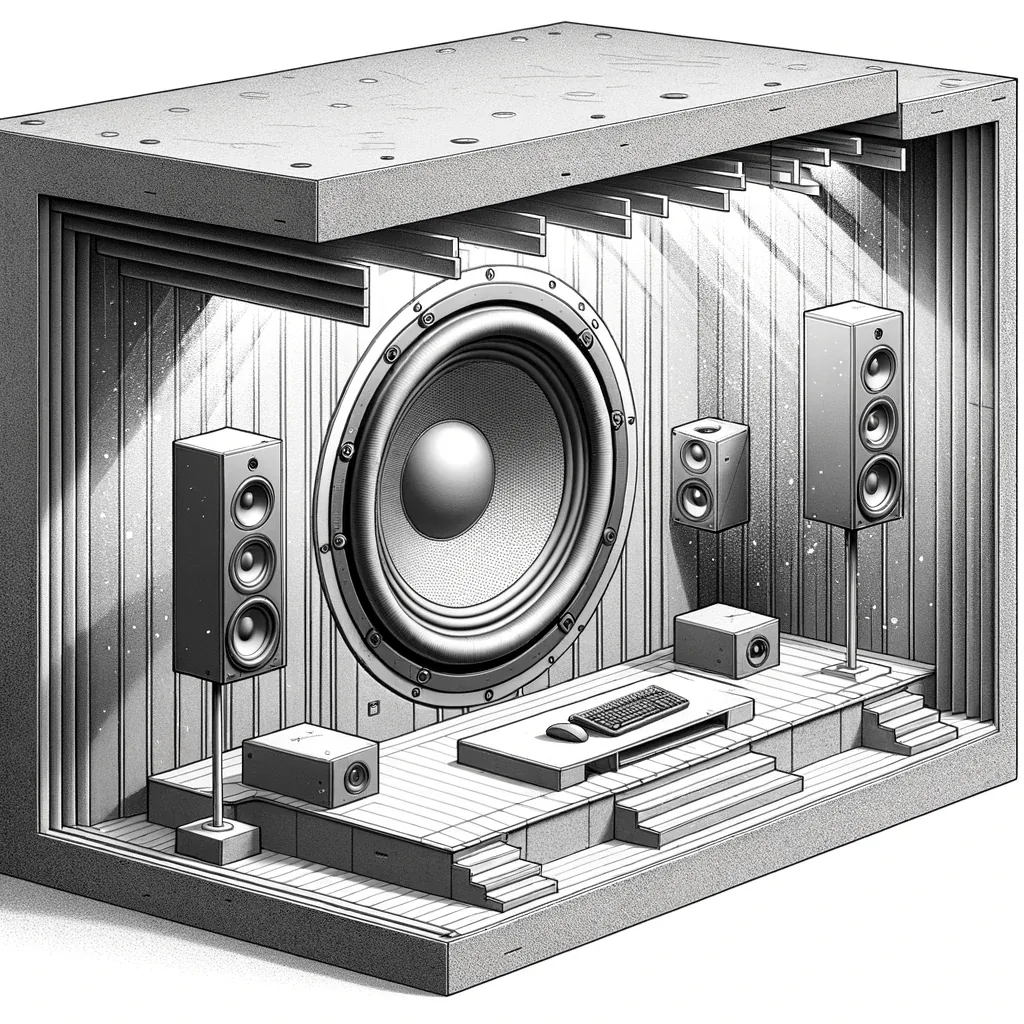
Mastering the Infinite Baffle Subwoofer Box
An infinite baffle setup mounts the sub on a board or rear deck and uses the space behind it as the enclosure. How it works, pros and cons, who it suits.
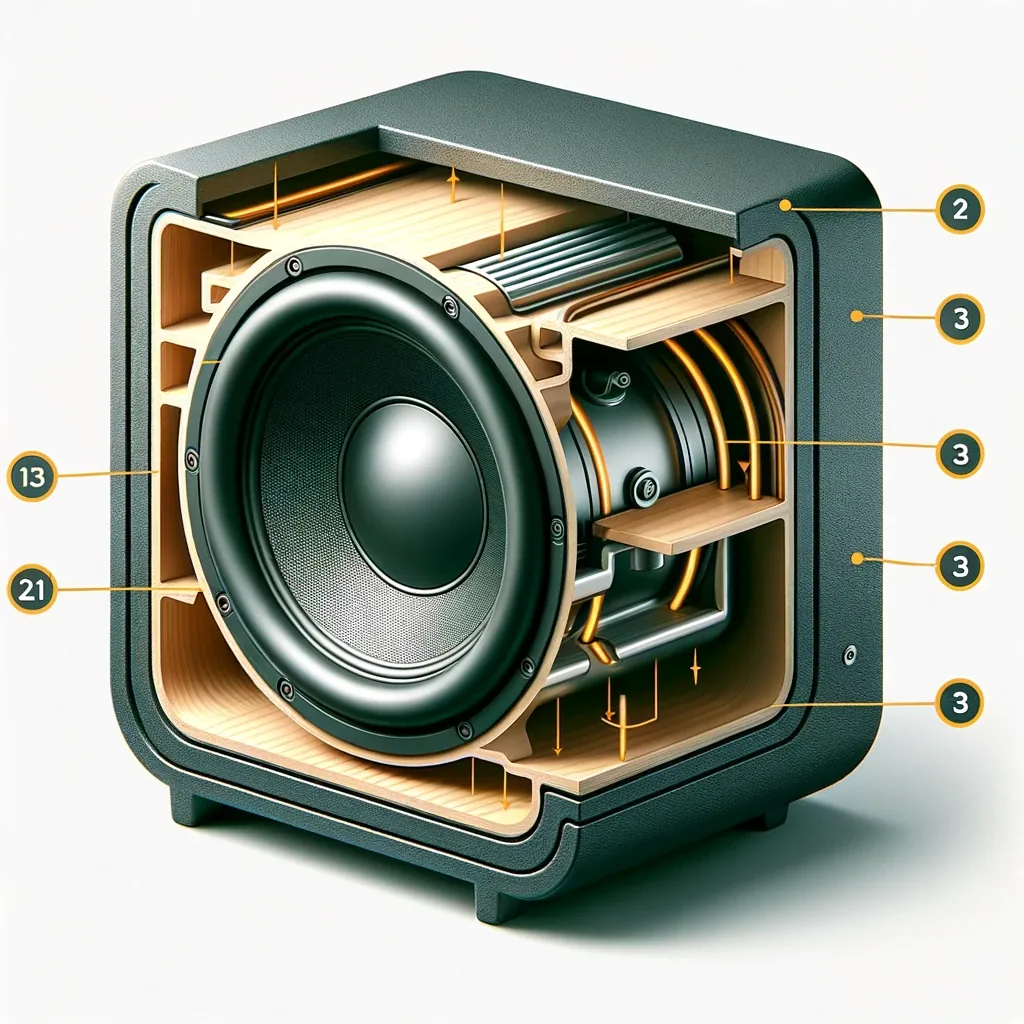
Sealed Subwoofer Boxes: A Comprehensive Guide
How a sealed subwoofer box works, why it gives tight, accurate bass, where it gives up output to a ported box, and how to choose one for your car.
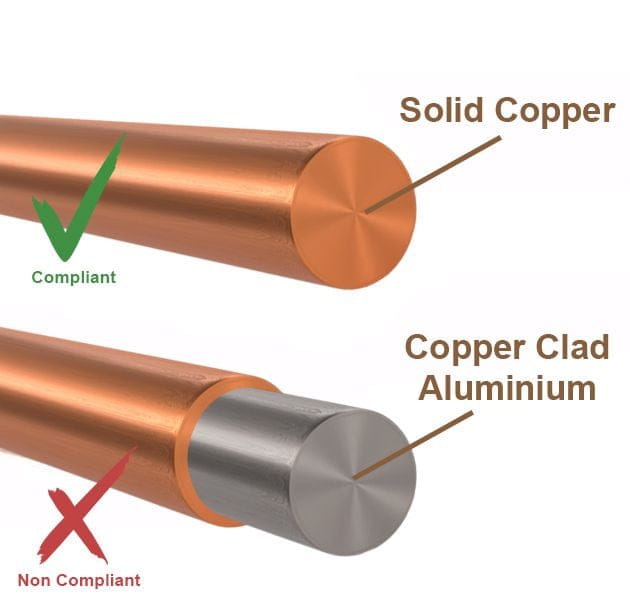
CCA Wire VS OFC Wire: What’s The best choice?
CCA (copper clad aluminum) wire carries about 60 to 65% of copper's conductivity. Where CCA is fine, when OFC is worth paying for, and how they compare.